The Story
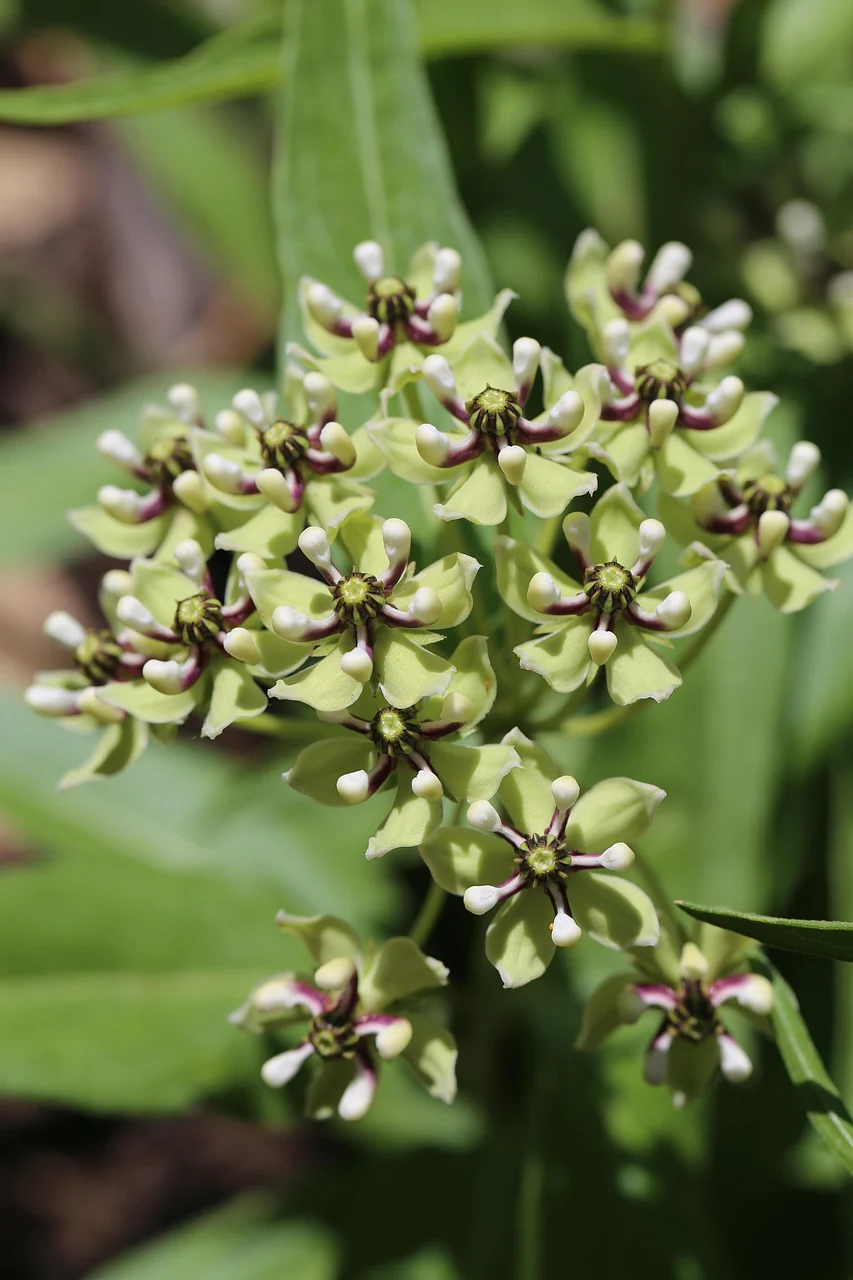
Milkweed is an essential perennial plant for the butterfly garden, and it is the ONLY plant that the monarch caterpillar can eat! It is probably the most used plant 'food' (nectar) for pollinators. Our milkweed have monarch caterpillars on it almost every year. Look carefully under the leaves, which is where they are usually hiding. If they are present on your plant, they will often make their chrysalis there too, and you can watch them transform from caterpillar to butterfly! Monarch butterflies are in steady decline, and habitat destruction is at least partially to blame. This plant can assist the monarch in recovering. Watching the life cycle of monarchs can be an excellent learning experience for kids too!
The milkweed flowers attract MANY butterflies of all kinds (not just Monarchs)! The beautiful perfume of the flowers is fragrant for quite a distance away, which draws butterflies of all kinds to it's nectar!
Type: Hardy perennial
Hardiness zones: 4-9
Height: 40cm, 16"
Location: Sun or part shade
Seeds per packet: 20

Details & Craftsmanship
Every detail has been carefully considered to bring you the perfect product.
Details & Craftsmanship
Every detail has been carefully considered to bring you the perfect product.

Details & Craftsmanship
Every detail has been carefully considered to bring you the perfect product.
Description
Milkweed is an essential perennial plant for the butterfly garden, and it is the ONLY plant that the monarch caterpillar can eat! It is probably the most used plant 'food' (nectar) for pollinators. Our milkweed have monarch caterpillars on it almost every year. Look carefully under the leaves, which is where they are usually hiding. If they are present on your plant, they will often make their chrysalis there too, and you can watch them transform from caterpillar to butterfly! Monarch butterflies are in steady decline, and habitat destruction is at least partially to blame. This plant can assist the monarch in recovering. Watching the life cycle of monarchs can be an excellent learning experience for kids too!
The milkweed flowers attract MANY butterflies of all kinds (not just Monarchs)! The beautiful perfume of the flowers is fragrant for quite a distance away, which draws butterflies of all kinds to it's nectar!
Type: Hardy perennial
Hardiness zones: 4-9
Height: 40cm, 16"
Location: Sun or part shade
Seeds per packet: 20