The Story
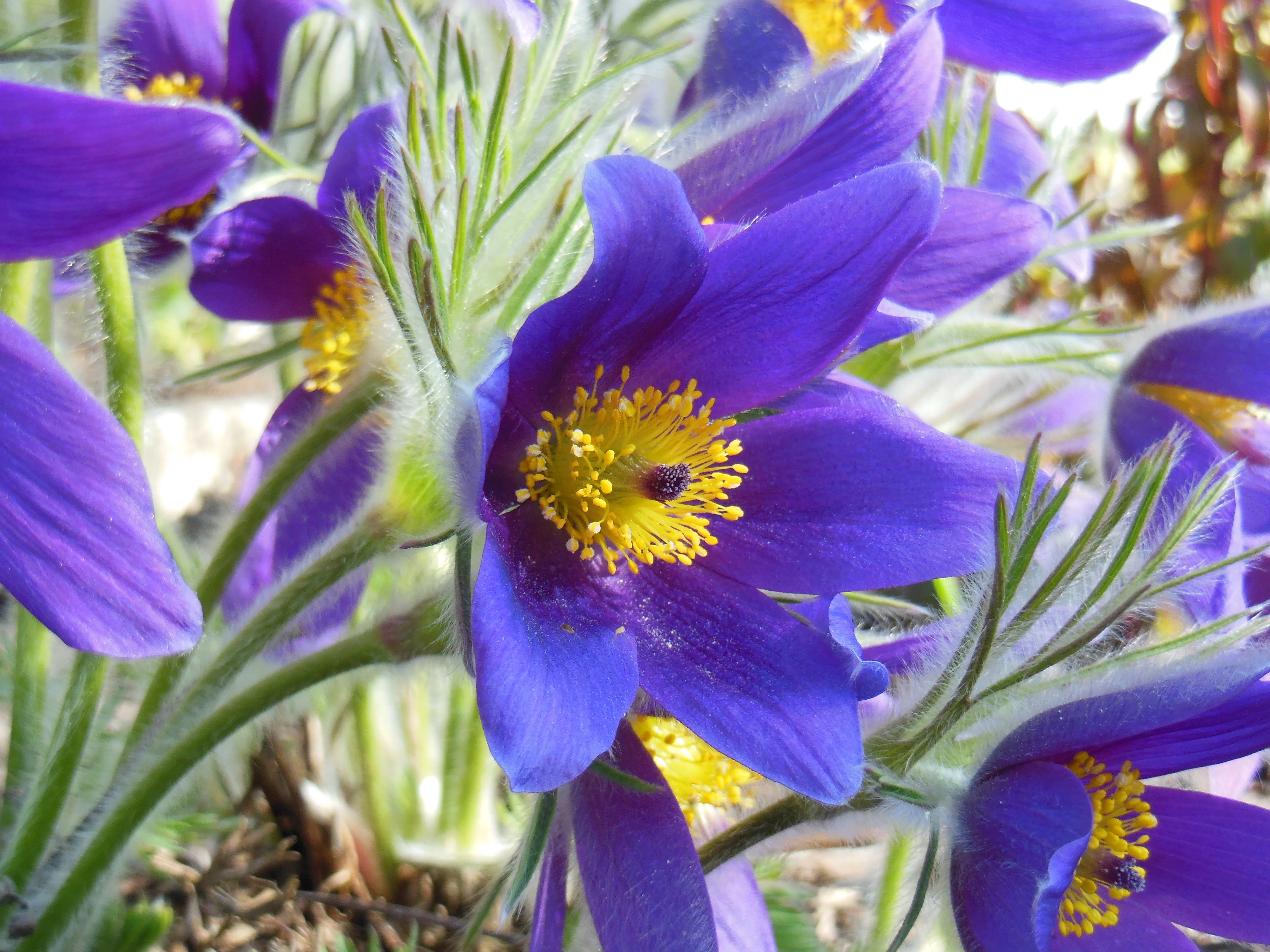
Pulsatilla vulgaris, the pasqueflower, is found locally on calcareous grassland in Europe, and widely cultivated in gardens. It was considered part of the genus Anemone, to which it is closely related.
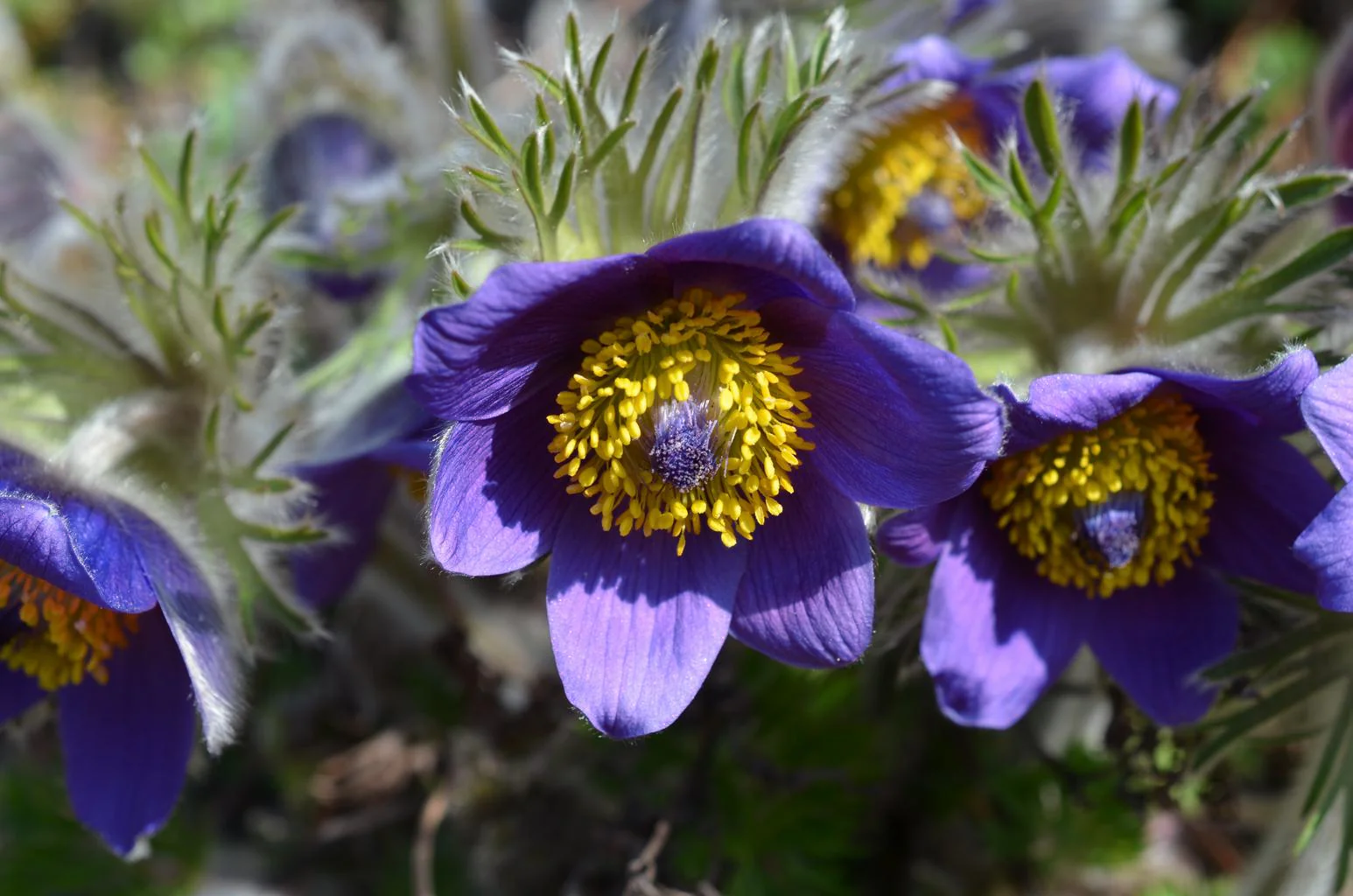
Its leaves and stems are long, soft, silver-grey and hairy. It grows to 20-30 cm (8-12") high. The roots go 1 m (39") deep into the soil. The flowers are followed by distinctive silky seed-heads which can persist on the plant for many months.
It is classified as a Priority Species in the UK Biodiversity Action Plan and as Vulnerable in Britain on the Red Data List.
It grows in wooded pine forests or meadows, often on a sunny sloping side with calcium-rich soil. It is the county flower of the English counties of Cambridgeshire and Hertfordshire. This plant has gained the Royal Horticultural Society's Award of Garden Merit.
Type: Hardy perennial
Hardiness zones: 4-8
Height: 8-12", 20-30cm
Location: Sun or shade
Seeds per packet: 10
Details & Craftsmanship
Every detail has been carefully considered to bring you the perfect product.
Description
Pulsatilla vulgaris, the pasqueflower, is found locally on calcareous grassland in Europe, and widely cultivated in gardens. It was considered part of the genus Anemone, to which it is closely related.
Its leaves and stems are long, soft, silver-grey and hairy. It grows to 20-30 cm (8-12") high. The roots go 1 m (39") deep into the soil. The flowers are followed by distinctive silky seed-heads which can persist on the plant for many months.
It is classified as a Priority Species in the UK Biodiversity Action Plan and as Vulnerable in Britain on the Red Data List.
It grows in wooded pine forests or meadows, often on a sunny sloping side with calcium-rich soil. It is the county flower of the English counties of Cambridgeshire and Hertfordshire. This plant has gained the Royal Horticultural Society's Award of Garden Merit.
Type: Hardy perennial
Hardiness zones: 4-8
Height: 8-12", 20-30cm
Location: Sun or shade
Seeds per packet: 10